Replacing Fogged Glass This Fall? When a Low-E Upgrade Makes Sense for Metro Vancouver Homes
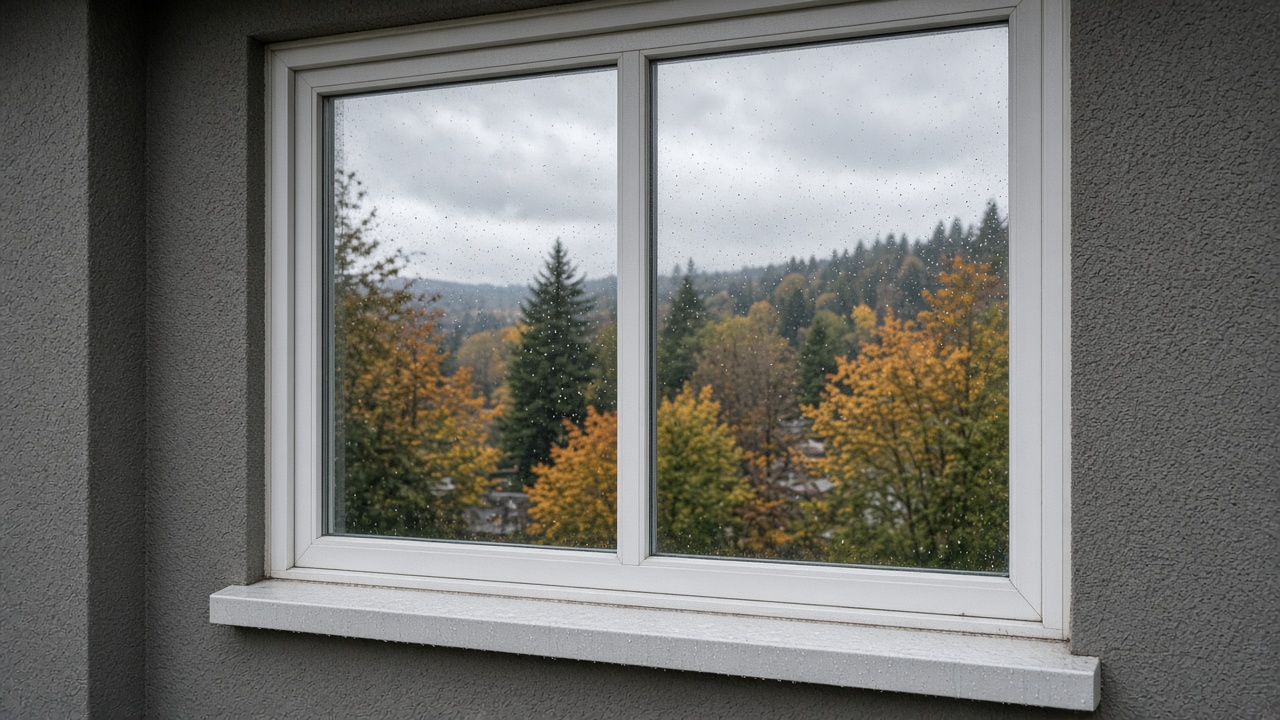
The sealed unit is already going out. Fog between the panes will not wipe away, the frame still looks sound, and fall rain has made the cloudy lite impossible to ignore. The real question for many Metro Vancouver homes is not whether to replace the insulated glass—it is what glass goes back in: a clear modern match, a Low-E upgrade, or a thicker stack when comfort goals go beyond that one opening.
This post is that upgrade-at-replace decision. For how Low-E, spacers, and ratings work in general, see the energy-efficient window glass primer. For keep-the-frame vs full window swap, see fogged window glass-only vs full window. For heat loss and drafts from failed seals, see failed window seals and energy loss. Here we stay on choosing the replacement lite once fogged IGU work is already on the table.
You are already replacing the unit—so the glass spec matters
When an insulated glass unit (IGU) seal fails, moisture enters the space between panes. Cleaning products cannot restore that sealed sandwich. On VanCity’s window glass replacement path, the usual fix is a new custom IGU that drops into the existing frame when the sash and frame are still true.
That measure visit is also the natural moment to pick the make-up: clear double-pane to restore clarity, Low-E coatings suited to coastal BC, or a conversation about triple-pane when noise or cold-edge comfort on that elevation needs more than a like-for-like clear lite. Upgrades belong in the quote—they do not require ripping out a healthy frame.
Residential glass is the right entry when several openings need the same on-site look.
Low-E vs matching clear: a fall decision tree
Start with what you want from the opening you are already fixing—not with a product brochure.
1. Match clear when clarity is the only job
If the rest of the elevation is clear double-pane, the room already feels comfortable once the fog is gone, and you mainly want the view and a sealed unit back, a modern clear IGU is often enough. Matching clear keeps the look consistent with neighbouring lites and restores the insulating space that the failed seal lost.
That choice still beats living with permanent haze through another wet season—clarity restored without changing how the wall of glass looks from the curb.
2. Upgrade to Low-E when comfort on that lite is part of the brief
Low-E (low-emissivity) coatings are thin layers that help glass manage heat while still letting daylight through. For Vancouver’s wet, cool climate, they are a common upgrade option on replacement IGUs—especially on large picture windows, west or north elevations that feel cold at the glass, or rooms that stay hard to balance once heating season starts.
Choose Low-E when you are already fabricating a new unit and you care about year-round comfort on that opening, not only clearing the fog. Exact coating and spacer details belong in a site assessment; discuss the upgrade while the glass is already coming out.
3. Bring triple-pane into the conversation selectively
Triple-pane creates two insulating spaces and shows up on VanCity’s window page for energy efficiency and noise reduction. It is not the default for every fogged lite. It enters the conversation when:
- One elevation is much colder or louder than the rest of the home
- You are replacing several units on the same wall and want a consistent higher-performing stack
- Frame depth and weight can accept a thicker unit without forcing a full window swap
If the frame cannot take the depth, or only one small lite is fogged beside healthy neighbours, a quality Low-E double IGU is often the more honest fall move. Triple-pane is a scoped option—not an automatic upsell for every seal failure.
4. Confirm fog type before you order any make-up
Wipeable mist on the room-side face is usually indoor humidity on cool glass—not a failed seal. Permanent milkiness between panes is the IGU path. Run the room-side condensation vs fogged IGU check before you debate Low-E vs clear. Ordering an upgraded unit for a humidity problem wastes the measure visit.
Quick table: goal → glass path
| What you want from this replace | Usually points to | Typical note |
|---|---|---|
| Clear view + sealed unit; match neighbours | Modern clear double IGU | Restore performance without changing look |
| Clear view + warmer glass / better solar control | Low-E double IGU | Discuss at measure while unit is already out |
| Same wall, several fogged or tired lites; comfort across elevation | Low-E (or staged plan) | Quote the elevation, not only one lite |
| Cold + noise on a key elevation; frame can accept depth | Triple-pane conversation | Confirm fit; not every sash can take it |
| Fog wipes off room-side face | Humidity path first | Fix ventilation before ordering glass |
| Soft wood, out-of-square, failed operators | Full window / broader path | See glass-only vs full window post |
Rule of thumb: fogged between panes + sound frame → glass-only path. Then choose match clear, Low-E upgrade, or a selective triple-pane talk from comfort goals—not from a generic “most efficient glass” label.
Why fall timing sharpens the choice
Coastal fall is when seal failures show up hardest: cooler nights, longer rain, and heat running make cloudy IGUs and cold glass obvious. Leaving a failed unit until spring means another wet season of weaker insulation and a view that never clears.
It is also when homeowners notice which rooms feel drafty beside the fogged lite. If that opening is also the coldest spot in the room, Low-E (or, when appropriate, a thicker stack) is worth comparing to clear while measurements are already happening—not after a winter with a new clear unit you wish you had upgraded.
Across Metro Vancouver, the Lower Mainland, and the Fraser Valley, large picture and sliding elevations are common. Replacing one failed IGU with a better-performing make-up can improve that wall of glass without a renovation-scale tear-out when the frame is true.
What to send with your quote (so upgrade options are priced once)
- Confirm between-pane fog — wipe test done; haze will not clear.
- Say the goal — match clear neighbours, warmer glass, less solar heat on a west lite, or quieter comfort on a street elevation.
- Photograph the full window, a close-up of the fog, and neighbouring lites on the same wall.
- Note frame condition — soft wood, stuck operators, or out-of-square openings change the path.
- List other fogged or tired units — one lite vs a whole elevation changes the upgrade story.
Helpful details for Get A Quote: window type (picture, casement, sliding, double-hung, etc.); clear vs Low-E preference if you have one; whether triple-pane is on your mind for noise or cold; street-facing vs courtyard; strata constraints if applicable.
You do not need product codes. You need a clear split between humidity, fogged IGU with a keepable frame, and frame-or-system end-of-life, plus an honest note on whether you want the replacement lite to match or upgrade.
Upgrade when the glass is already coming out
Replacing fogged glass this fall in Metro Vancouver is often a glass-only IGU job—and that job is the right moment to decide Low-E vs matching clear, with triple-pane only when the elevation and frame support it. Fix the failed seal first in scope; then choose the make-up that matches how you want that opening to feel through the wet season.
Get A Quote — fogged, drafty, or energy-minded window glass assessed for the right scope.
Window replacement — foggy IGUs, failed seals, and Low-E / insulated upgrades across Vancouver and the Lower Mainland.
Residential glass — windows, patio doors, and related home glass across the Fraser Valley.
Call or text 778-239-6052, or email info@vancityglassltd.com. VanCity Glass Team helps Metro Vancouver and Fraser Valley homeowners decide when a Low-E upgrade makes sense while fogged glass is already coming out—and when a clear modern match is the smarter fall move.