Noisy Windows This Fall? When Failed Seals Let Traffic and Rain Noise Into Metro Vancouver Homes
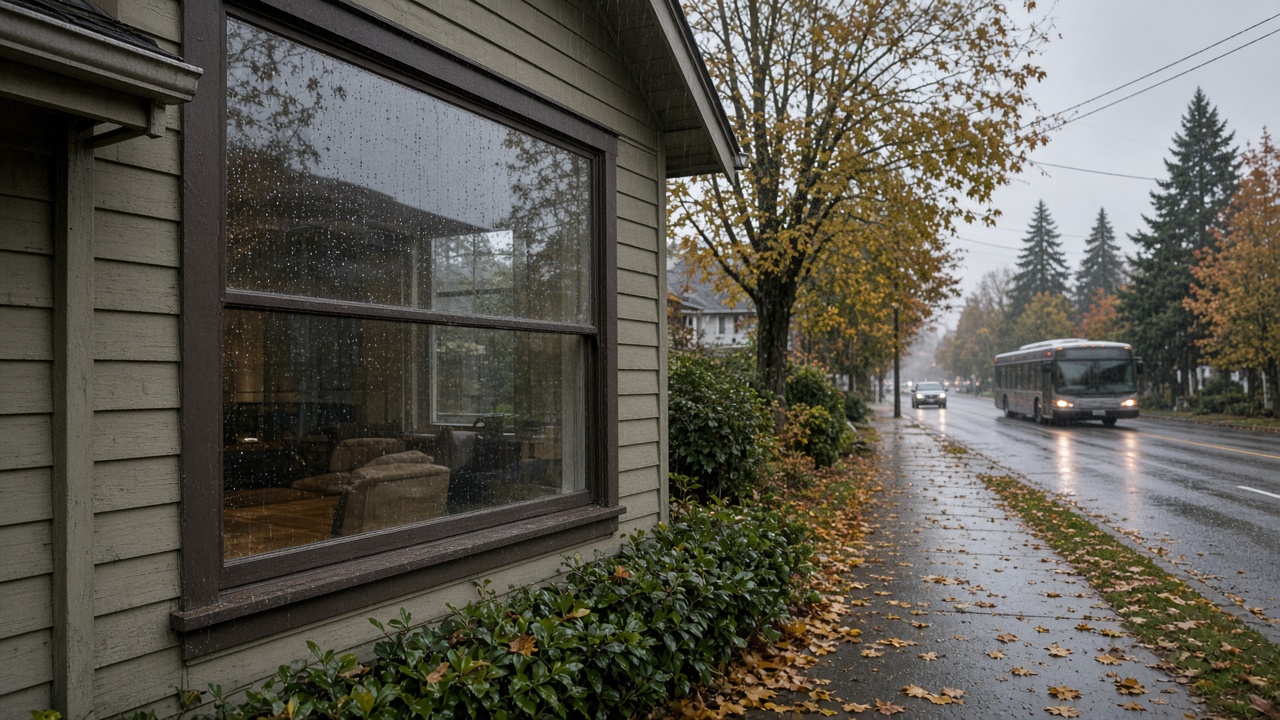
Street noise that used to sit outside the glass suddenly sits in the living room. Rain on the sill sounds louder. A bus pass feels closer than it did last spring. Across Metro Vancouver, that shift often shows up when wet-season weather stresses aging window seals—not only when a pane is fogged or a furnace runs harder.
This post is about acoustic comfort: when failed insulated glass unit (IGU) seals, drafts, or loose glazing let traffic and rain noise into the room. For heating bills and cold glass, see failed window seals and energy loss. For the wipe test that separates room-side moisture from between-pane fog, see room-side condensation vs fogged IGU. Here we stay on noise, drafts, and how to sort the right next step before another wet week.
Why failed seals change how a window “sounds”
A modern double- or triple-pane window is an insulated glass unit: panes separated by a sealed space that keeps the assembly dry and closed. That sealed sandwich is part of what softens outdoor noise. When the edge seal fails, moisture can enter, the insulating space no longer performs as designed, and the lite can feel thinner to sound as well as to heat.
You do not need a shattered pane for that to matter. A fogged but intact unit can already pass more street and rainfall noise than a healthy neighbour. Drafts around the sash—worn weatherstrip, a panel that no longer closes tight, or glazing that has shifted in the frame—add another path for sound even when the glass still looks clear.
VanCity’s window glass replacement work covers foggy units, failed seals, broken glass, and energy-minded upgrades across common residential styles throughout Vancouver and the Lower Mainland. Residential glass is the right entry when several openings need an on-site look.
A fall decision tree: what is your noisy window actually doing?
Start with what you see and feel—not with a product name.
1. Moisture on the room-side face (wipes clean)
If beads or mist wipe off the glass you can touch from inside, you are usually dealing with indoor humidity on cool glass—not a failed seal by itself. Follow the room-side vs fogged IGU diagnostic. Fix fans, showers, and overnight curtains first. Noise that only bothers you on steamy evenings may not be a glass-unit problem.
2. Fog or haze between the panes (will not wipe away)
Permanent milkiness inside the sandwich is classic seal failure. That same unit often feels colder and “louder” toward the street. Cleaning kits will not restore the sealed space. When the frame is still sound, glass-only IGU replacement is often the honest fall move—clarity and insulating performance without a full frame tear-out when the sash and frame are true.
3. Draft + traffic or rain noise with clear glass
Clear glass does not rule out a seal or weatherseal problem. Air movement at the meeting rail, a cold edge at the sill, or a sash that rattles in wind can carry outdoor sound even when the view stays sharp. Note whether the noise spikes when the wind hits that elevation, and whether neighbouring windows in the same room stay quieter. That pattern points to an assessment of the sealed unit and how the sash closes—not an automatic “soundproof glass” order.
4. Crack, chip, or pebble shatter
Impact or thermal stress is a different ticket. Cracked tempered glass and open holes need secure, code-minded replacement—and shattered openings that leave a hole in the wall are an emergency board-up situation first. A noisy-but-intact window is usually a measured quote visit, not overnight plywood.
Quick table: noise clue → likely path
| What you notice | Usually points to | Typical next step |
|---|---|---|
| Room-side mist; wipe clears it | Indoor humidity + cool glass | Ventilation / humidity first (see condensation post) |
| Fog between panes; street noise up | Failed IGU | Glass-only path when frame is sound |
| Clear glass; drafts + rattle + louder rain | Weatherstrip / sash fit / possible seal stress | Operation + glazing assessment |
| One noisy lite beside quiet neighbours | That unit or its weatherseal | Per-lite quote photos |
| Crack or open shatter | Broken glass / emergency | Board-up if open; then tempered or laminated lite |
| Whole elevation tired, soft wood, out of square | Frame / system end-of-life | Broader window conversation |
Rule of thumb: wipeable interior moisture → humidity path. Permanent between-pane fog → sealed-unit path. Draft and rattle with clear glass → do not skip the sash and weatherseal. Broken openings → secure first.
What wet-season Metro Vancouver adds to the story
Coastal fall stacks cooler nights, longer rain, and more time indoors with the heat on. Street traffic does not get quieter—and a compromised lite makes that obvious. Lower Mainland and Fraser Valley homes often put large picture windows and sliding elevations toward busy streets or open yards. When one sealed unit fails, that wall of glass becomes the loudest spot in the room.
This is climate and building-pattern depth, not a city-by-city doorway list. The same seal-and-noise pattern shows up from Vancouver through Burnaby, Surrey, and the Fraser Valley whenever wet cool weather settles in.
Triple-pane and higher-performing assemblies are options people discuss for comfort—including noise—alongside Low-E and insulated upgrades on VanCity’s window page. Exact make-ups belong in a site assessment; do not assume a full elevation swap until fog, frame, and weatherseal are checked.
What to send with your quote (so scope matches the problem)
- Describe the noise — traffic, rain on glass, wind rattle, time of day.
- Run the wipe test — room-side mist vs between-pane fog.
- Note drafts — cold edge, whistle, sash that moves when you press the frame.
- Photograph the full window, a close-up of any fog, and the latch/meeting rail.
- Compare neighbours — which lites stay quiet and clear?
Helpful details for Get A Quote: window type (picture, casement, sliding, double-hung, etc.); whether glass is clear, fogged between panes, cracked, or shattered; draft or rattle notes; street-facing vs courtyard; whether you want clarity restored, drafts stopped, or both; strata constraints if applicable.
You do not need acoustic rating codes. You need a clear split between humidity, failed IGU, loose sash / weatherseal, and broken glass, so the crew is not fabricating a lite for a humidity problem—or cleaning a track of moisture while a failed seal keeps the room loud all winter.
Quieter glass starts with the right diagnosis
Noisy windows in Metro Vancouver’s fall are often failed seals, drafts, or glazing that no longer closes tight—not a mystery “soundproof” product by default. Sort wipeable condensation from between-pane fog, then decide glass-only, weatherseal and sash attention, or a fuller window path with eyes on the opening in front of you.
Get A Quote — noisy, drafty, fogged, or cracked windows assessed for the right scope.
Window replacement — foggy IGUs, failed seals, and glass upgrades across Vancouver and the Lower Mainland.
Residential glass — windows, patio doors, and related home glass across the Fraser Valley.
Call or text 778-239-6052, or email info@vancityglassltd.com. VanCity Glass Team helps Metro Vancouver and Fraser Valley homeowners decide when failed seals are letting traffic and rain noise in—and what to fix before wet winter locks that sound into the room.