Storm Broke Your Window? What Insurance Documentation Looks Like After Glass Damage in Metro Vancouver
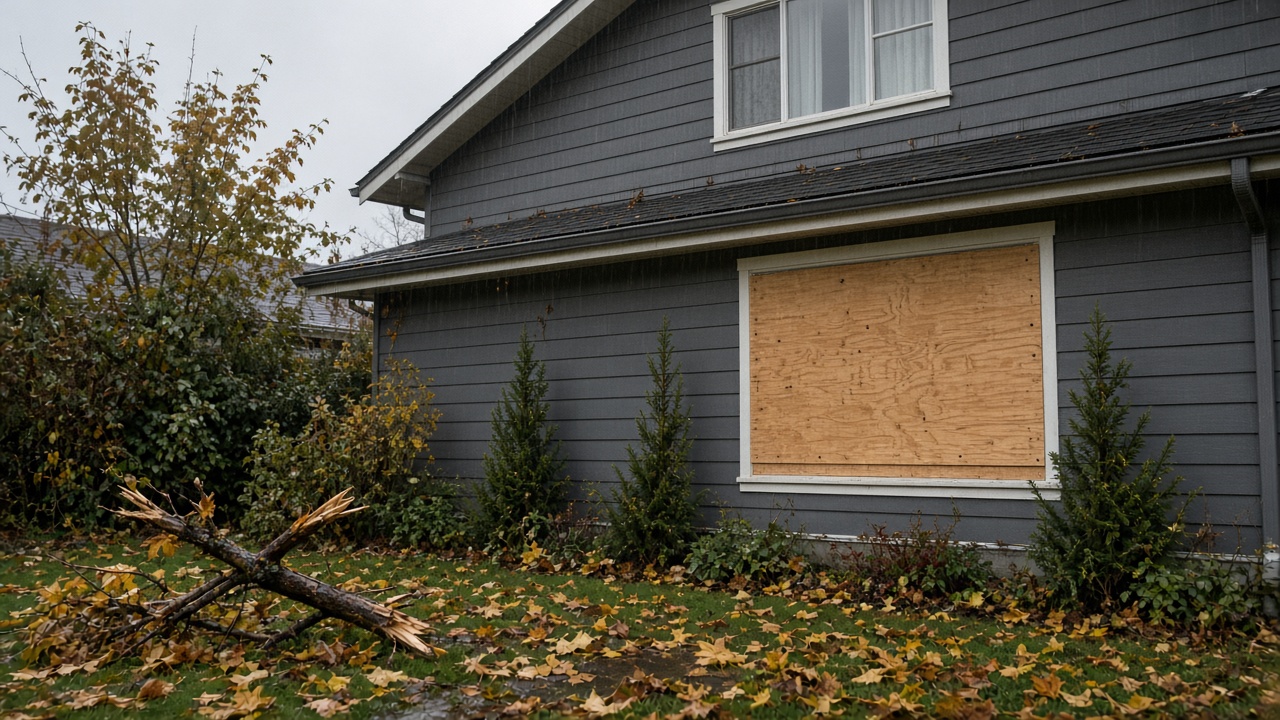
Fall storms across Metro Vancouver do more than rattle siding and fill gutters. Wind-driven rain, flying debris, and pressure changes can crack or shatter residential window glass across Vancouver, Burnaby, Surrey, Coquitlam, and the Fraser Valley. Once the opening is unsafe, the first job is clear: stop the weather, restore a basic security barrier, and keep people away from broken edges.
What often comes next is quieter, and just as important. Insurers usually want a clean paper trail. Photos, invoices, scope notes, and a clear timeline from board-up to permanent glass help a claim move with less back-and-forth. This post is about that paperwork path after emergency glass work. It is not legal advice. It is a practical look at what glass professionals usually put in the file, and what homeowners often gather on their side.
If you are still in the first chaotic hour after the glass fails, start with our fall storm broken window first-hour guide. When the board is already up and you are thinking about the claim file, keep reading here.
Why fall storms push insurance paperwork into the open
Metro Vancouver's wet season stacks risk. Long rain events keep openings wet. Windstorms throw branches and debris. When glass finally breaks, the damage is sudden and time-sensitive. Water can enter finishes. Heat escapes. Security drops until something solid covers the opening.
That urgency is why emergency glass work starts with board-up and safety, not with forms. At the same time, most homeowner and commercial policies, as noted on our emergency FAQ, cover emergency glass repair and replacement especially when damage comes from storms, break-ins, vandalism, or accidents. Coverage still depends on your policy and adjuster review. What you can control is how organized the documentation is.
A clear file, with dated photos, a board-up invoice, and a replacement scope that matches what happened, gives your insurer something concrete to work with. Glass shops that assist with claim documentation are not filing the claim for you. They are packaging the work so your paperwork matches the job site.
Board-up first, permanent glass next
Emergency board-up and permanent glass replacement serve different jobs. Board-up is the security and weather step: plywood or temporary covering that closes the hole until the right glass is fabricated and installed. Permanent glass restores the finished opening.
Claim timing can trail both steps. Some homeowners call their insurer before anyone arrives. Others secure the home first, then open the claim. Either path can work when you keep records from the start. Our emergency team aims for a fast response across Metro Vancouver and the Fraser Valley, with timing that can vary by location and demand. Same-day permanent glass is offered when possible, depending on glass type, size, and fabrication.
For how long a board typically stays up, see emergency board-up and how long before permanent glass. Treat board-up and replacement as related line items in one storm event, not as unrelated receipts to reconstruct later.
What glass pros usually put in the file
On our emergency and window replacement pages we note insurance claim assistance, insurance claim documentation, and detailed invoices. In practice, the shop side of the file is built around clarity, not around guessing what every insurer's portal wants.
Typical glass-shop documentation after storm or broken-window work often includes:
- A dated invoice for emergency board-up, with address, opening description, and work performed
- A separate or combined invoice for permanent glass replacement when that stage is complete
- Notes on glass type and opening (IGU size, tempered where required, door glass vs picture window)
- Photos for the job record (damage before board-up when safe, boarded opening, finished install)
- A short scope summary that ties the work to storm damage, accident, vandalism, or break-in when that is what occurred on site
We do not publish universal claim forms or promise that every adjuster asks for the same packet. Policies differ. What we can do is keep invoices detailed and assist with documentation so you are not hunting for scraps later. With over 15 years serving this market as a licensed and insured glass shop, we see the same fall pattern: households that keep a tidy folder from night one spend less time reconstructing the story later.
What homeowners usually gather on their side
Your side of the file matters as much as the shop invoices. Soft rule of thumb: if it helps prove when, where, and how the glass failed, keep it.
Homeowners often find it helpful to gather:
- Policy number and the insurer's claims contact path (app, phone, or portal)
- Photos from before the board goes up, if safe (wide elevation shot, closer broken pane, interior water or debris if present)
- A short written timeline (storm, discovery, board-up, permanent glass)
- Police report details if the cause was a break-in rather than weather alone
- Temporary repair receipts if someone else secured the opening first
- Adjuster notes (claim number, dates of calls or portal messages)
None of this is legal advice. It is practical claim-file hygiene. Photos from the morning after a wind event can matter as much as a tidy invoice. Store everything in one place so board-up and replacement do not live in two forgotten threads.
Docs that typically help vs what you bring
| Item | Who usually supplies it | Why it often helps |
|---|---|---|
| Board-up invoice with address and dated scope | Glass shop | Shows emergency security work tied to the property and event |
| Permanent glass / IGU replacement invoice | Glass shop | Documents the finished repair after temporary covering |
| Job photos (damage, boarded, finished) | Glass shop and/or homeowner | Visual timeline for the adjuster without a site revisit |
| Homeowner photos before board-up | Homeowner | Captures condition at discovery, especially overnight storm damage |
| Policy contact + claim number | Homeowner / insurer | Keeps every invoice and photo attached to one claim file |
| Written timeline of storm, board-up, and glass | Homeowner (shop can confirm dates) | Reduces confusion when work spans more than one day |
Use the table as a checklist, not a promise that every insurer will request every row. When in doubt, ask your adjuster what they still need.
Residential vs commercial: same idea, different stakes
Residential broken windows after a storm are usually about safety, weather, and securing one home. Commercial storefront or office glass adds stock-on-hand risk, customer access, and overnight exposure. Our emergency service covers both, including storefront and door glass, across Metro Vancouver and the Fraser Valley.
Documentation still follows the same logic: board-up invoice, replacement invoice, photos, and a clear cause narrative. Commercial claims may also involve a property manager, landlord, or business policy. Keep those contacts with the glass paperwork.
Fogged IGU vs storm break: when the insurance angle differs
Not every cloudy or failing window is a storm claim. Fogged insulating glass from a failed seal is a progressive performance failure. Moisture between the panes cannot be cleaned, and replacing the IGU while keeping a sound frame is a common residential path. That work often sits outside a sudden storm-damage claim, even when fall weather makes the fog more noticeable.
Broken or cracked glass from storms, break-ins, accidents, or vandalism is the category our emergency FAQ ties more closely to typical insurance conversations. A fogged unit you have watched for months is usually a planned residential or window-replacement quote. A pane that failed in a wind event is more often an emergency board-up plus claim documentation path.
If you are unsure which bucket you are in, say so in a quote request and include photos. Assessment sorts fogged seal failure from storm break.
FAQ
Will insurance cover emergency board-up and glass replacement after a storm?
Most homeowner and commercial policies cover emergency glass repair and replacement, especially when damage results from storms, break-ins, vandalism, or accidents. Your specific policy and adjuster review still control the outcome. Ask your insurer early, and keep detailed invoices and photos ready.
Do I need to call my insurer before board-up?
Not always. Safety and security come first when an opening is open to weather or intrusion. Many people open the claim as soon as they can after arranging emergency board-up. Follow your insurer's instructions, and keep dated records either way.
What documents does VanCity Glass provide for a claim?
We provide detailed invoices and can assist with insurance claim documentation for emergency board-up and glass replacement. That typically includes clear scope, address, and work descriptions so your claim file matches the job.
How fast can emergency glass help arrive in Metro Vancouver?
We aim to respond quickly across Metro Vancouver and the Fraser Valley, with timing that can vary by location and demand. Same-day permanent glass is offered when possible. Call for the current picture rather than relying on a fixed guarantee.
Ready to secure the glass and tidy the claim file?
If a fall storm broke window glass at a Metro Vancouver home or business, start with security, then build a clean paper trail. Board-up protects the opening. Detailed invoices, photos, and a short timeline help your insurance conversation. Permanent glass finishes the repair when fabrication and access allow.
Get A Quote · Call emergency glass · See window replacement · Browse residential glass · Call or text 778-239-6052 · Email info@vancityglassltd.com
VanCity Glass Team