Window Gasket Repair Signs Vancouver: When to Arrange Assessment
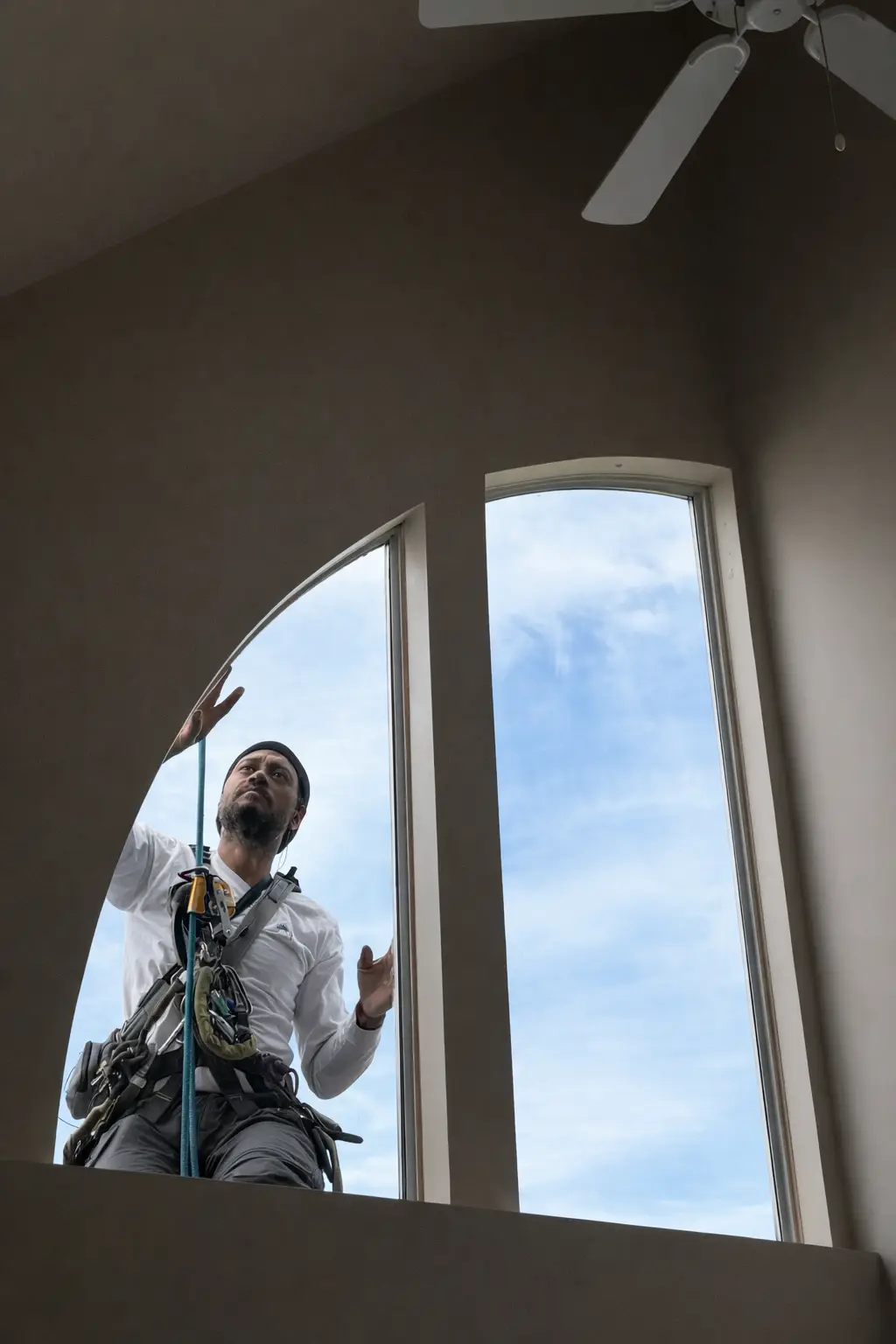
Window gasket repair signs Vancouver property owners notice can include gaps, displaced rubber or a visible change around the edge of a pane. These observations are useful reasons to arrange an assessment, but they do not establish which part has failed or what repair will work. A West End apartment and a Kitsilano house may have very different window systems. Start by recording what you can see from a secure indoor position, then let the assessment determine the next step.
Window gasket repair signs Vancouver: look for visible changes
Depending on the window design, flexible seals may help close gaps around an opening sash or form part of the glazing system around the glass. Look for sections that appear pulled out of their channel, corners that no longer meet, splits or areas that have changed shape. Compare the affected opening with a similar nearby window if it is safely visible. Do not pull the rubber to test it: moving a component can make the condition worse or disturb parts that retain the glass.
Separate wear from the cause of a draft
A draft near a window is worth reporting, especially if it changes when the sash is closed. However, that sensation alone cannot distinguish worn weather seals from misaligned hardware, frame movement or another air path. Note whether the window closes normally and whether there is a visible gap. Avoid forcing a stiff handle or repeatedly operating an opening that feels loose. A useful enquiry says where and when the draft occurs, without choosing a replacement gasket before the system has been identified.
Record water without assuming a gasket repair will stop it
If moisture appears near the frame, photograph the location and note whether it follows rain, occurs on cool mornings or appears after indoor moisture-producing activities. Water can have more than one source, including surface condensation and problems elsewhere around the opening. A photograph cannot establish the path through the assembly. In a Yaletown strata building, notify the building manager about recurring water entry and follow the building's reporting process. Keep the observations together so the assessor can consider the pattern.
Distinguish visible gaskets from sealed-unit failure
Rubber visible around a pane is separate from the internal perimeter seal of a sealed double-glazed unit. Persistent moisture between its panes can indicate an insulated glass unit problem; changing visible rubber does not restore that internal seal. Surface condensation also needs to be distinguished from moisture inside the glass cavity. Our foggy double-pane glass guide explains what to observe safely. Report both symptoms if the rubber looks displaced and the glass appears foggy, rather than assuming one repair resolves everything.
Leave identification and compatibility to the assessment
Window seals come in different profiles, dimensions and materials. A strip that looks similar may not fit the channel or work with the existing frame and glazing. The assessor needs to establish the window construction, the affected component, the condition of related parts and whether a suitable repair is practical. Existing manufacturer information can help. Send a photo of an accessible label if available, but do not remove glazing beads, trim or glass to find one. Avoid applying improvised sealant over gaps or drainage openings.
Gather a useful photo and symptom checklist
Prepare the following information without leaning outside or dismantling the window:
- One overview showing the entire affected opening from indoors.
- A safe close-up of visible gaps, splits or displaced material.
- The number of openings affected and whether they are fixed or operable.
- When drafts, moisture or difficulty closing first appeared.
- Any accessible manufacturer details or previous repair records.
- Property address, floor level, contact information and access restrictions.
Mark approximate dimensions as preliminary if you provide them. Leave out anything you cannot obtain safely. Clear descriptions help plan the visit; they do not replace professional inspection or confirm a price.
Plan access for Vancouver homes and strata buildings
Downtown towers may require elevator reservations, loading arrangements and permission for work affecting shared building components. Ask the property manager what approvals and work-hour restrictions apply before arranging access. At a ground-level home, mention narrow side passages, landscaping or interior furniture that limits access. Exterior height or difficult access can change the assessment and proposed scope. Do not climb onto ledges, roofs or balconies to obtain a better photograph. Tell us when the outside face cannot be reached from a safe position.
Agree on the scope before work proceeds
BC Housing's residential window and door maintenance guidance includes checks for displaced gaskets and proper contact when windows close. It supports regular maintenance, while the repair decision still depends on the particular assembly. VC Glass LTD. will explain the findings and proposed scope after assessment, including when the issue extends beyond a gasket. Read our rubber gasket repair service page for enquiry preparation and assessment limits.
Arrange your window assessment
Book an assessment with VC Glass LTD., call 6047060986, or email info@vancityglassltd.com with your photos and observations. We will confirm availability and the next step for your property. If glass is cracked, loose or shedding fragments, keep people clear and call instead of approaching it for photographs.
Our business address is 302-1650 Bayshore Dr, Vancouver, BC V6G 3K2. Hours are Monday 09:00–20:00, Tuesday–Thursday 09:00–17:00, Friday 06:00–00:00, Saturday 10:00–15:00 and Sunday closed.