Condensation on the Outside of Your Windows? Why Fall Mornings Fog the Exterior Glass in Metro Vancouver
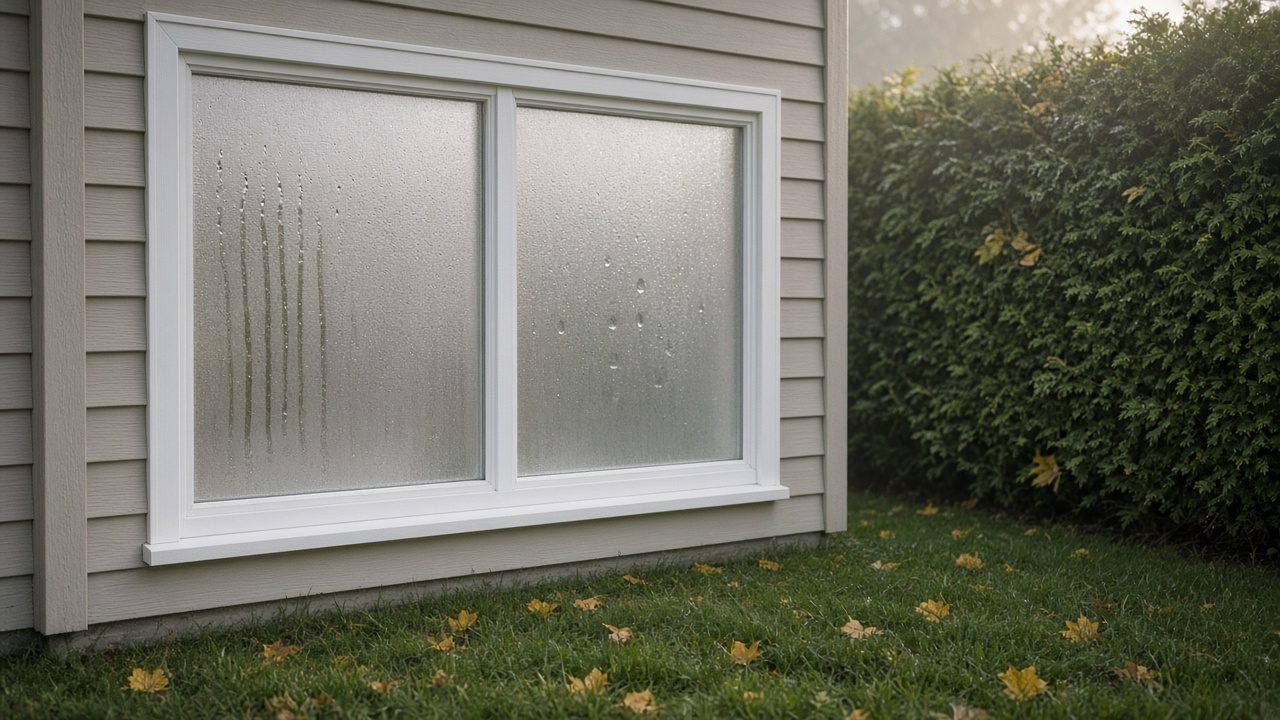
You open the blinds on a cool October morning and the view is gone. The glass is milky with fog, and when you reach up to wipe it, nothing happens, because the moisture is on the outside of the window.
It's one of the most common window questions we hear in fall across Metro Vancouver and the Fraser Valley, and it often comes from people who just replaced their windows. The good news is that fog on the exterior of the glass is usually not a defect. In many cases, it's a sign the window is doing its job.
This guide explains why it happens, how to confirm which side of the glass the moisture is on, and the few situations where it's worth a closer look.
The quick answer
If the fog is on the outside of the glass, it forms in the early morning, and it fades as the sun comes up or the air warms, that's normal dew on a well-insulated window. It doesn't mean your seals have failed, and it doesn't mean moisture is getting into your home.
If the fog won't wipe away from either side, it's sitting between the panes. That's a failed seal, and it's a different conversation (more on that below).
Three places window fog can sit
Fog on a window always lives in one of three places. Knowing which one you have tells you almost everything.
| Where the fog is | What it usually means | Does it clear on its own? | What to do |
|---|---|---|---|
| Outside of the glass | Dew forming on cold exterior glass on a cool, humid morning | Yes, usually within a few hours as the day warms | Nothing. It's normal, especially on efficient glass |
| Inside (room side) | Indoor humidity meeting cool glass | Sometimes, with ventilation | Manage indoor humidity. See our room-side condensation vs fogged IGU guide |
| Between the panes | The insulated glass unit (IGU) seal has failed and moisture is trapped inside | No, and it tends to get worse | Glass-only IGU replacement is often the fix. See glass-only vs full window |
Why fall mornings fog the outside of the glass
Clear, calm nights after damp days
Fall in the Lower Mainland is a mix of wet days and still, clear nights. On those clear nights, surfaces outdoors lose heat to the open sky and cool down faster than the air around them. Lawns, car roofs, and deck boards get wet with dew by morning. Window glass is just another outdoor surface, and when its outer pane cools below the point where the humid air can hold its moisture, dew forms on it.
Communities near the Fraser River, the coast, or the North Shore creeks often see this more, because the air there tends to carry more moisture overnight.
Why efficient windows fog outside more than old ones
This is the part that surprises people. An older single-pane window, or a tired double-pane unit, lets a lot of your home's heat leak through the glass. That leaking heat keeps the outside surface a little warmer, so dew has a harder time forming on it.
A modern insulated window works the other way. Low-E coatings reflect heat back into the room, and double or triple-pane units with argon or krypton gas fills and warm-edge spacers slow heat moving through the glass. That's exactly what you pay for, but it also means the outer pane stays close to the outdoor temperature overnight. Colder outer glass plus humid fall air equals morning dew.
So if your new windows fog on the outside and your neighbour's old ones don't, it's usually not a sign your new windows are worse. It's often a sign they're holding heat in better.
Why some windows fog and others don't
Even on the same house, you'll often see exterior fog on some windows and not others. A few things make the difference:
- Which way the window faces. Glass that faces open sky or gets early sun behaves differently than glass under an overhang or facing a wall.
- Overhangs, eaves, and trees. Cover over a window keeps it a little warmer overnight, so covered windows often stay clear.
- Wind. A light breeze can keep dew from settling, while a still pocket next to a hedge or fence can fog up.
- The glass itself. If you replaced some units and not others, the newer, better-insulated glass is often the one that fogs outside.
Is exterior condensation ever a sign of a problem?
Most of the time, no. Dew on the outside glass doesn't damage the window, doesn't get into the IGU, and doesn't mean your home has a moisture problem.
There are a few times when it's worth a closer look:
- The haze never fully clears. If a window still looks cloudy on a dry afternoon, the moisture may be between the panes, or there may be a film or mineral residue on the glass. Wipe the outside on a dry day and check again.
- Only one window looks foggy, and it's in a sealed unit. Compare it from both sides. If you can't wipe it from inside or out, the seal has likely failed.
- You see water where it shouldn't be. Moisture pooling on the inside sill, stains on the frame, or water running down the wall is a different issue than outdoor dew. That points to leaks, failed seals, or high indoor humidity, and it's worth having looked at.
- You also see a crack. Exterior fog can make a small crack easier to spot, because the dew outlines it. Cracks in insulated glass usually mean the unit needs replacing.
How to check which side the fog is on in a minute
- Wipe the inside of the glass with a dry cloth. If it clears, the fog was room-side.
- Step outside and wipe the exterior (only if it's safe to reach from the ground or a deck). If it clears, it's exterior dew.
- If neither wipe clears it, the moisture is between the panes. That's a failed IGU seal.
- Check again in the afternoon. Exterior dew is almost always gone once the day warms up. Fog between the panes stays, and often leaves a faint white haze or streaks behind over time.
For upper-floor windows, don't climb a ladder on wet, slippery mornings just to wipe glass. Waiting until the afternoon tells you the same thing.
Can you stop condensation on the outside of your windows?
Honestly, it's usually not worth trying. Exterior dew is a weather effect, and it typically burns off within a few hours.
What does help:
- Patience on fall mornings. Most of the time it clears by mid-morning.
- Trimming hedges or plants that crowd the glass so air can move across it.
- Keeping the outside of the glass clean. Dirt and film give moisture something to cling to and make the fog look heavier.
What we wouldn't do is swap back to less efficient glass to avoid morning dew. You'd be trading a cosmetic, temporary effect for a colder, draftier room all winter.
If the fog is actually between the panes
If your one-minute check shows the moisture is trapped inside the glass unit, the seal has failed. That fog won't clear with ventilation or wiping, and over time it can leave a permanent haze.
In many cases, the frame and sash are still in good shape, and only the sealed glass unit needs replacing. That's often a more practical fix than a full window replacement. If you're replacing that glass anyway, it's also a natural time to ask about a Low-E upgrade. Our guide to when a Low-E upgrade makes sense walks through that decision, and why do windows get foggy? explains why seals fail in the first place.
You can learn more about how we handle fogged and failed units on our window replacement page and our residential glass page.
A note for strata councils and building managers
After a building gets new windows or new glass units, exterior morning fog often shows up as a wave of owner emails in the first fall. Before booking inspections across the building, it helps to share a simple note with owners: if it's on the outside and clears by late morning, it's normal; if it won't wipe from either side, report that unit.
That one step separates true seal failures from normal dew and keeps service requests focused on the units that actually need work. Our strata glass page covers how we work with councils and property managers, and businesses with large storefront or office glass can see our commercial glass services.
FAQ
Is condensation on the outside of my windows bad?
Usually not. It's dew forming on cold exterior glass on a cool, humid morning, and it typically clears as the day warms. It doesn't damage the glass or the seals.
Why do my new windows have condensation on the outside when my old ones didn't?
Better-insulated glass keeps more heat inside, so the outer pane stays colder overnight. Colder outer glass is more likely to collect dew. It's often a sign the new windows are holding heat in well.
How do I know if it's exterior fog or a failed seal?
Wipe both sides. If it clears from the outside, it's dew. If it won't clear from either side, it's between the panes, which points to a failed IGU seal.
Should I replace windows that fog on the outside?
Not for that reason alone. Replace or repair glass when you see fog trapped between the panes, cracks, drafts, or leaks, not for morning dew that burns off.
Not sure what you're looking at?
If you've done the wipe test and still aren't sure, or you've confirmed fog between the panes, we can take a look and walk you through your options. Request a quote, tell us what you're seeing, and we'll help you figure out whether it's normal dew, a failed seal, or something else.
Get A Quote · Call or text 778-239-6052 · Email info@vancityglassltd.com
VanCity Glass Team